
Guest Post by Becca Puglisi
Fear is a powerful emotion. That makes it an incredibly potent storytelling tool. When characters feel threatened—physically, emotionally, or psychologically—the stakes go up, and suddenly, every choice, reaction, and perception matters. Fear taps into something primal, activating survival instincts in the character and empathy in the reader, creating an immediate emotional bridge between them.
But for readers to share the protagonist’s fear, the scene must be carefully constructed. Pacing, mood, and increased threats all work together to stretch the tension until it feels deliciously unbearable.
In scenes where fear is in play, we often want to stretch the tension or deepen its emotional impact. Here are some techniques that can do that for us.
Foreshadowing
Simply put, foreshadowing is an indication of things to come. When what’s coming is bad, this technique creates tension that primes readers and the character to jump to fear more quickly.
This is done extraordinarily well in the movie A Quiet Place. In this post-apocalyptic story, the world is inhabited by alien creatures who hunt by sound, forcing the few survivors to be absolutely silent. Early on, protagonist Evelyn is dragging a bag of wet laundry up the stairway when it snags on a nail and pulls it loose, leaving it standing straight up on the tread. Evelyn is oblivious, but viewers are not. They know that nail is going to cause serious problems later. (Spoiler: They’re not wrong.) As frightening as the alien “death angels” are, an exposed nail, in that moment, is even scarier.
Hidden Threats
Very often, the biggest threat is the one the character can’t see. Hiding it from readers elevates the tension, so when you’re introducing a new danger, consider concealing it at first. Maybe the protagonist senses something in another room, or on the roof, or right outside the window. Put light and shadow to use, keeping the danger just out of sight.
Symbolism
A well-placed symbol can do some seriously heavy lifting, escalating a character’s fear without it being spelled it out.
In Stephen King’s It, a red balloon always precedes Pennywise, the terrifying clown. When the children in the story see it, they (and readers) know something horrible is just around the corner. This symbol is particularly poignant because balloons are associated with childhood and frequently used to represent joy and innocence. Subverting them as a symbol of terror is a genius turn by the master of horror. (And who better to learn from when writing about fear?)
Weather
Animals can perceive changes that signal dangerous weather patterns, and they respond with unease and anxiety. Anyone riding out a thunderstorm with a dog has seen this in action.
Humans are animals, too, so consider which weather elements might impact your character’s emotional state and signify incoming danger: A full moon breaking through clouds and lighting the landscape when the character needs darkness to stay safe. The onset of spring, typically associated with rebirth and renewal, threatening to melt the ice and expose something the character desperately needs to remain hidden.
Take your character’s situation into account to tailor weather that works specifically for you and against them, creating meaningful options that prime readers for fear.
Contrast
Contrast is a brilliant technique when used to bolster the ones we’ve already discussed. It involves the unorthodox comparison of two elements, and it’s effective because it’s almost always unexpected. Contrast is the moon’s bright light heightening danger, rather than diminishing it. It’s the buoyant, brightly colored balloon that terrifies children. Combine contrast with symbolism, foreshadowing, weather, or other dynamics to supercharge a character’s fear in a heavy scene.
Purposeful Sensory Details
When it comes to writing scenes, details matter. But too many can bog down the pace, diminishing the experience for readers having to slog through endless minutiae. At strategic moments, though, a touch more description can work in your favor.
When potential danger looms, part of our survival instinct is to pay attention and look for threats. This is why fearful characters often experience a sensation of slowing time. Their senses are heightened. Their eyes widen as they take in everything around them. Minds race to process what they’re seeing and decide how to respond.
Your character’s heightened watchfulness will also alert readers to perk up and take notice. If you’ve been spare with the details but suddenly the protagonist’s observations are laser-focused, it’s a sign that something has shifted.
False Flags
Another way to extend a fear-driven scene and wring every ounce of emotion from your readers is to plant a few false flags. Let them think the situation is resolving, then bam! It goes sideways. This resets the tension but at a higher level, because readers haven’t fully recovered from earlier events. And it draws out the scene itself because the initial resolution was a false one, and the character must keep working to sort things out.
- Misplaced trust. In this scenario, the character is in a tight spot when help unexpectedly arrives. They take a deep break and relax—then realize their savior is a snake. It’s devastating to learn that a trusted someone wasn’t a true friend or ally. Suddenly, the character’s out of the frying pan and in the fire, their situation worse than ever.
- Lost assets. Whatever your character’s facing, they should possess at least some of the assets they’ll need to succeed—supportive friends, strategic allies, a special talent or skill, or financial means. They’ve likely been using these resources to overcome difficulties already. So what happens when an ally goes missing at a critical moment or the character can no longer count on a skill they used to have? Sheer terror. Add a ticking clock offering little time to concoct a Plan B, and emotions stay high until matters resolve.
- Unreliable information. Many times, characters discover essential intel just in time to make a vital decision or fling it in the adversary’s face. Then they learn that the intelligence was wrong. Unable to regroup in the moment, they’re embarrassed and fearful because defeat seems certain, and readers are unsure of the hero’s fate.
- Wrong decisions. To keep scenes feeling dynamic, allow the character to make a decision that seems like a good one. Tension drops, adversaries are unsettled, and the character’s fear turns to elation—until they realize they’ve made the wrong choice. A crucial error at a critical time thrusts the character back into fear that weighs them down even more when they blame themselves for the lapse in judgment.
What Holds Characters Back
Fear is most effective when the tension builds slowly and doesn’t let up. Techniques like foreshadowing, sensory cues, hidden threats, and false flags stretch that tension to its breaking point. When fear unfolds this way, readers won’t just observe your character’s unease and dread; they’ll experience it along with them, making even a fear-filled scene more gripping and memorable. For more information about fear’s role in fiction and how to use it to engage readers, see The Fear Thesaurus: A Writer’s Guide to What Holds Characters Back.
by Becca Puglisi (@BeccaPuglisi) March 15, 2025
What about you, scriveners? Do you use these elements to create tension in your writing? Which elements work best for you?
About Becca Puglisi
 Becca Puglisi is a popular guest here on our blog. She’s a lifelong student of story and a recognized expert in the industry. She loves developing new resources to help writers craft memorable fiction. Along with Angela Ackerman, she authors the Writers Helping Writers Thesaurus Book Series, builds powerful tools at One Stop For Writers, and teaches writing workshops and masterclasses internationally.
Becca lives in sunny South Florida, where she can be found beaching with her family, baking in the kitchen, or reading on the couch.
BOOK OF THE WEEK
The Fear Thesaurus launches on April 15
pre-order at Writers Helping Writers
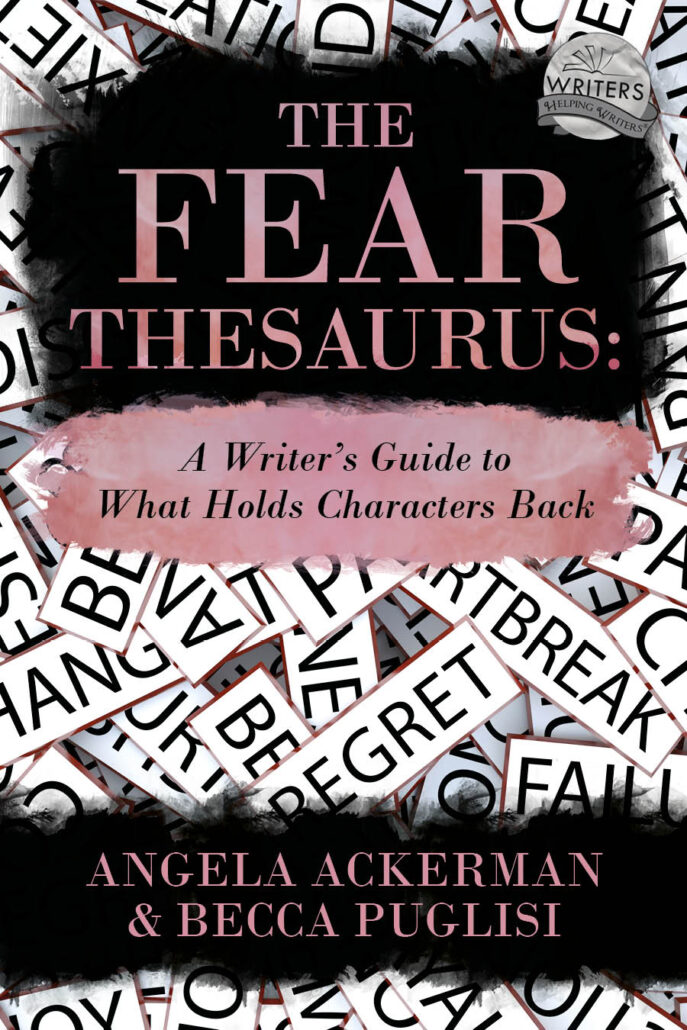
This addition to the thesaurus series will help you leverage fear to write stronger stories and authentic, human characters readers will connect to. Spanning Survival, Stability & Control, Relationship, Identity, and Moral & Existential Fears, you’ll have all the brainstorming material you need to write human characters with realistic inner demons and plot stories built to challenge and transform.
One of the challenges a fiction writer faces, especially when prolific, is coming up with fresh ways to describe emotions. This handy compendium fills that need. It is both a reference and a brainstorming tool, and one of the resources I’ll be turning to most often as I write my own books.
James Scott Bell, International Thriller Writers Award Winner


Leave a Reply